Safe and effective firearm training doesn’t always require live ammunition. Many shooters rely on snap caps and dummy rounds—inert ammunition designed to mimic real bullets in size, weight, and feel. These tools allow both new and experienced shooters to practice safely while improving handling, reloading, and malfunction-clearing skills.
Although snap caps and dummy rounds may look similar, their purposes differ significantly. Understanding the difference can help you choose the right training tool and get the most from your practice sessions.
Snap caps are specially designed training rounds that replicate live ammunition but contain no primer, powder, or projectile. The key feature of snap caps is the false primer, made from rubber, polymer, or a spring-buffered material. This part cushions the firing pin strike during dry fire training, preventing wear or damage to your firearm.
Because snap caps can be loaded into the magazine or chamber, they provide realistic feedback when practicing trigger control and weapon manipulation. Many shooters use them to build muscle memory, improve accuracy, and extend firearm life. However, before dry-firing any gun, always check your firearm’s manual to confirm it is safe for your model—especially for rimfire firearms.
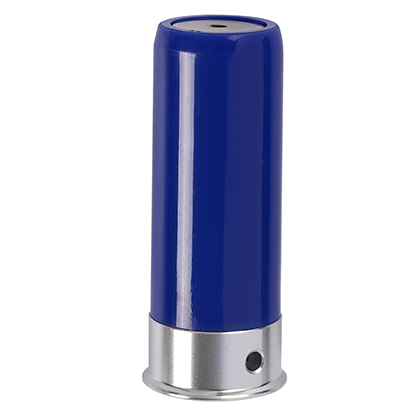
Dummy rounds are also non-firing cartridges used for firearm training, but they differ in purpose. Unlike snap caps, dummy rounds are not designed for dry-firing, as they lack any cushioning material to absorb the firing pin’s impact. Instead, dummy rounds are mainly used for loading, unloading, malfunction drills, and safety demonstrations.
These rounds are typically made of plastic or metal and are often brightly colored to distinguish them from live ammunition. Some are even made from deactivated live rounds, which can be confusing if not clearly marked. Therefore, shooters must ensure their dummy rounds are visually distinct and kept separate from real ammo.
While both tools are valuable for training, snap caps and dummy rounds serve different purposes.
Structure: Snap caps include a rubber or spring-buffered primer for dry-firing, while dummy rounds do not.
Primary Use: Snap caps are best for dry fire practice; dummy rounds are ideal for loading and malfunction drills.
Durability: Snap caps are generally more durable and reusable than dummy rounds.
Safety: Dummy rounds require clear marking to avoid confusion with real ammunition.
In short, if your goal is to protect your firing pin and practice trigger control, choose snap caps. For reloading and clearing drills, dummy rounds are the better option.
Both snap caps and dummy rounds can be integrated into a firearm training routine to improve overall handling and confidence.
Dry firing helps shooters enhance trigger discipline, grip, and follow-through without using live ammo. Loading snap caps into your magazine allows you to safely pull the trigger, observe your sight movement, and refine your technique. This practice is especially useful for reducing flinch and improving trigger control.
Dummy rounds are perfect for learning how to load and unload a firearm safely. They help beginners get comfortable handling a gun and allow advanced users to simulate tactical and emergency reloads. Using dummy rounds for these exercises helps build efficiency and speed without the pressure of live ammunition.
4. Mixing snap caps and dummy rounds into your magazines can simulate misfires or jams, teaching you to react quickly and effectively. For example, when your gun “clicks” instead of “bangs,” you can practice the “Tap-Rack-Roll” or “Rip-Rack-Reload” methods to clear the malfunction. These drills improve safety awareness and build real-world readiness.
Even with inert ammunition, safety must always come first. Avoiding common mistakes ensures effective and risk-free training.
Mixing live and inert ammunition: Always store snap caps and dummy rounds separately from live rounds.
Neglecting inspection: Regularly check your training rounds for cracks, dents, or loose components.
Using dummy rounds for dry-fire: This can damage your firing pin, as dummy rounds don’t cushion impact.
Skipping safety checks: Always confirm your firearm is unloaded before any training session.
Proper maintenance and organization will keep your practice sessions safe and productive.
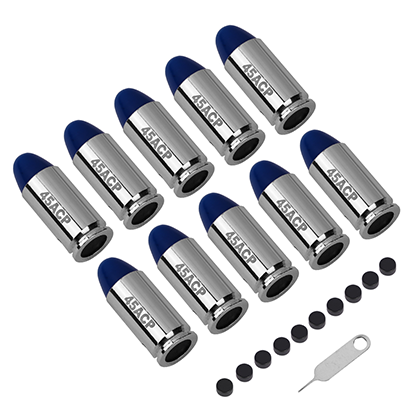
Choosing between snap caps and dummy rounds depends on your training goals.
For dry fire practice, where you aim to perfect trigger pull and protect your firing pin, choose snap caps.
For reloading, malfunction drills, and weapon manipulation, choose dummy rounds.
When purchasing, opt for high-visibility colors (such as red or orange) to prevent confusion with live rounds.
Always buy from trusted dummy rounds manufacturers to ensure safety, accuracy, and durability.
Investing in quality training tools helps shooters build confidence and maintain firearm integrity.
Both snap caps and dummy rounds are essential tools for safe and effective firearm training. While they share similarities in appearance, their functions differ greatly. Snap caps excel in dry fire training and firearm protection, whereas dummy rounds are perfect for loading, reloading, and malfunction drills.
When used properly, these inert rounds can make your practice sessions safer, more efficient, and more realistic. By understanding their differences and choosing high-quality products, you can train smarter and more safely—whether at home or at the range.
As one of the trusted firearm accessories manufacturers, Yijing Optoelectronics. delivers precision-engineered firearm training tools and optical devices to enhance safety and performance. From snap caps to laser sights and counting laser targets, Yijing provides innovative, cost-effective, and reliable solutions for professional and recreational shooters alike.
Learn more about Yijing’s advanced firearm training products and optical systems today.



 886-935021779

 cc1535@gmail.com

No. 2, Beishan Nanfang Road, Humen Town, Dongguan City, Guangdong Province
Copyright © 2024 Dongguan Yijing Optoelectronics Technology Co., Ltd. Designed by 
